Agricultural Sustainability efforts of Mt. Folly Farm

Laura Freeman, Mt. Folly, Mt. Folly Farm, CBD Oil, Full Spectrum CBD Oil,

Regenerative Agriculture at Mt. Folly Farm

Located in Winchester, Kentucky, Mt. Folly Farm practices regenerative agriculture that builds soil health, captures carbon, and produces premium CBD hemp.

Industrial Hemp as Climate Champion

Industrial hemp absorbs up to 15 tonnes of CO₂ per acre annually – more than most forests. Its 9-foot deep roots break up compacted soil, sequester carbon underground, and improve water infiltration. Hemp requires half the water of cotton and zero pesticides.
cover crops, What is the cover crop?, What are examples of cover crops?, Are cover crops sustainable?, What are the pros and cons of cover crops?, What is the best cover crop for a vegetable garden?, Is mulch a cover crop?, Can you eat cover crops?, Is Grass a good cover crop?, Why don t farmers use cover crops?, Are cover crops meant to be harvested?, Do animals eat cover crops?, Do you mow cover crops?, Why do farmers plant mustard?, What are the best cover crops for no-till?,

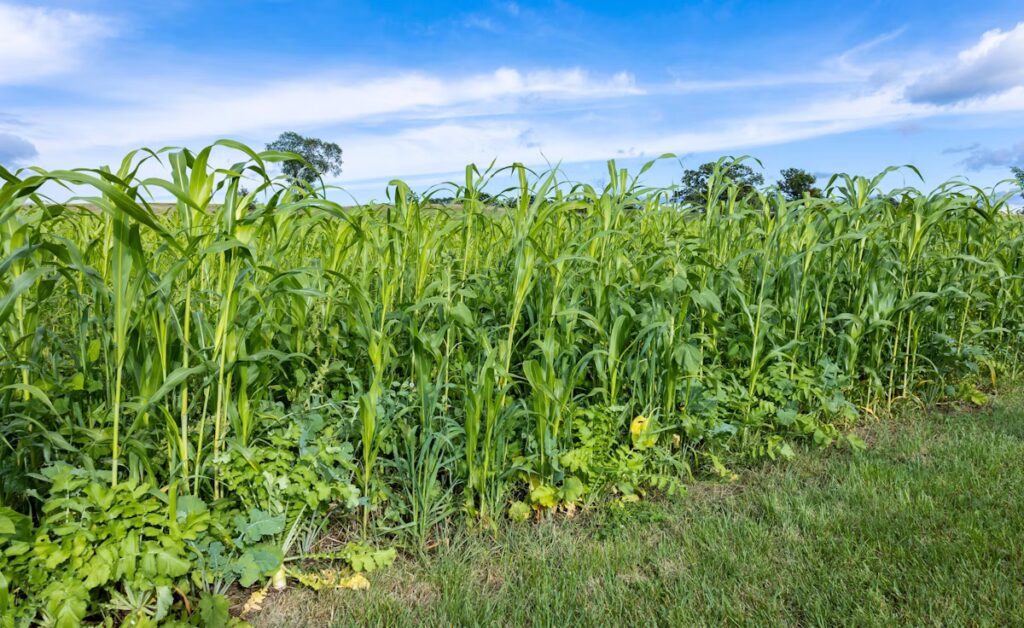
Cover Crops & Living Roots

We never leave soil bare. Between hemp seasons, we plant diverse cover crop mixes – clover, rye, vetch, and radishes – that protect soil, fix nitrogen, and feed beneficial fungi. This living root system keeps carbon in the ground and prevents erosion.

Strategic Crop Rotation

Hemp thrives in rotation with other crops. By alternating hemp with legumes and grains, we naturally break pest cycles, balance soil nutrients, and eliminate the need for synthetic inputs.

Green ripening soybean field, agricultural landscape, What are considered row crops?, What are organically grown crops?,, What is the biggest problem for organic farmers?, What are the advantages of row crops?, Are tomatoes considered a row crop?, Are pineapples row crops?, Are strawberries row crops?, Is canola a row crop?, Are carrots a row crop?, Are grapes considered a row crop?, Is alfalfa a row crop?, What vegetables are planted in rows?,
Mt. Folly Farm, Mt. Folly, Cattle, Beef, Regenerative Agriculture, Cattle, Cow Calf Operation, What's the trend in agriculture?, What is the biggest issue facing agriculture today?, What are farmers growing right now?, What are the top 10 agricultural commodities?, What is the biggest threat to agriculture?, Why are farmers struggling?, Are farmers struggling in 2024?, What is the biggest challenge of agriculture?, Why is agriculture decreasing?, What is the biggest risk farmers can take?, What is Virginia's #1 crop?, Which crop has the highest demand?, What is the #1 agriculture state in the US?,

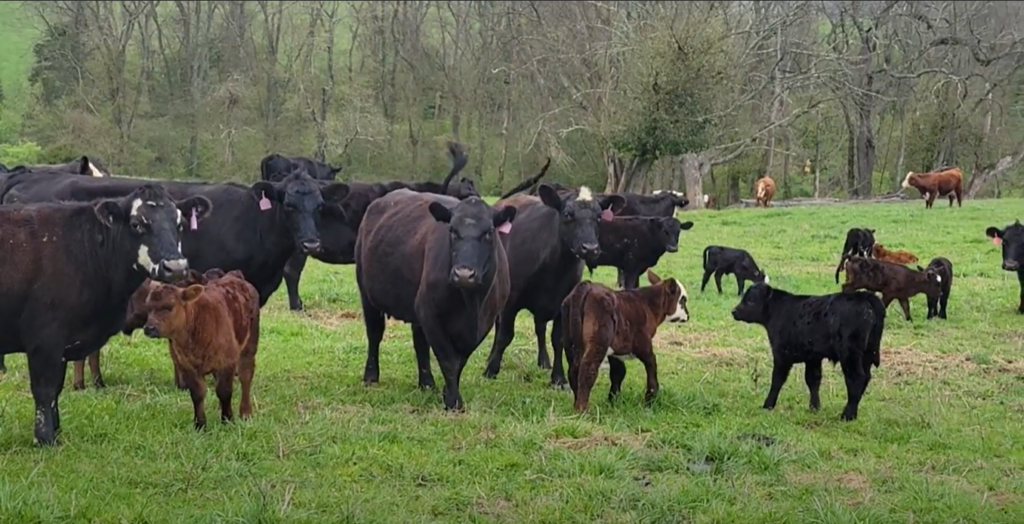
Livestock Integration

Our cattle and chickens aren’t separate from crop production – they’re essential to it. They naturally fertilize fields, control pests, and help us close nutrient cycles without synthetic fertilizers.

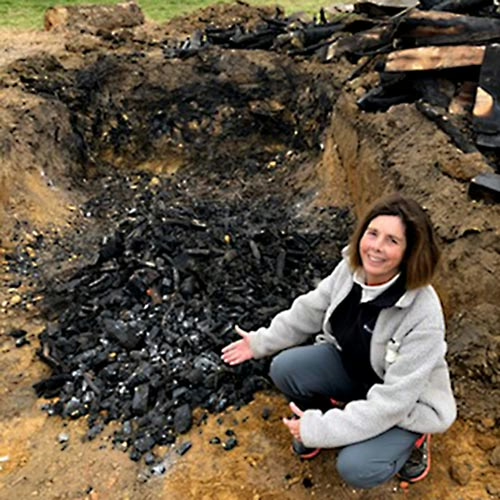
Biochar for Permanent Carbon Storage

We produce biochar from agricultural waste – charcoal that locks carbon in soil for centuries. Mixed into fields, it improves water retention, provides habitat for beneficial microbes, and permanently sequesters carbon.
biochar, What is the purpose of biochar?, Why is biochar controversial?, Is biochar just burnt wood?, What are the negatives of biochar?, Why is biochar so expensive?, Can I make my own biochar?, Is biochar better than compost?,
compost tea sprayer, What's the trend in agriculture?, What is the biggest issue facing agriculture today?, What are farmers growing right now?, What are the top 10 agricultural commodities?, What is the biggest threat to agriculture?, Why are farmers struggling?, Are farmers struggling in 2024?, What is the biggest challenge of agriculture?, Why is agriculture decreasing?, What is the biggest risk farmers can take?, What is Virginia's #1 crop?, Which crop has the highest demand?, What is the #1 agriculture state in the US?,

Compost Tea & Soil Biology

We brew actively aerated compost tea – a liquid teeming with beneficial bacteria, fungi, and microorganisms. This biological boost helps plants access nutrients, resist disease, and thrive without chemical fertilizers.

Water Stewardship

Our drip irrigation system delivers water directly to plant roots, reducing waste by 50%. We harvest rainwater, use mulch to conserve moisture, and select drought-tolerant hemp varieties suited to Kentucky’s climate.

See Our Farm in Action

Shopping cart0
There are no products in the cart!
Continue shopping
0