Mt. Folly Business Journal
Topic: Cannabis
Sub-Topic: Industry Developments, State Laws, Regulations, Products
Summary of this Article:
Most up-to-date laws and regulations regarding the cannabis industry and products in various Top Trending U.S. states, including Kansas, Colorado, and Vermont.
Key topics include:
Legal Status of Cannabis: Overview of recreational and medical cannabis laws, including possession limits and cultivation allowances.
Retail and Medical Sales: Details on retail dispensaries, medical cannabis eligibility, and possession limits for patients.
Regulatory Bodies: Information about the agencies overseeing cannabis laws, such as the Cannabis Control Board and Department of Revenue.
Local Regulations: Opt-out provisions for municipalities, buffer zones around sensitive areas, and local tax implications.
Recent Legislative Changes: Updates on relevant state bills and acts.
Consumer Considerations: Guidelines for purchasing, consuming, and transporting cannabis products in each state.
Each state’s cannabis laws and regulations are presented, along with any notable legal developments or ongoing legislative efforts.
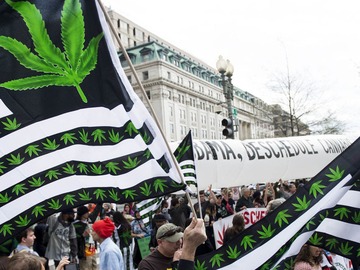
Trump Administration Position on Cannabis and the 2018 Farm Bill
During Donald Trump’s presidency (2017–2021), the administration’s stance on cannabis was multifaceted, encompassing both enforcement actions and legislative developments.
Enforcement and Policy Stance:
Rescission of the Cole Memorandum: In January 2018, Attorney General Jeff Sessions rescinded the 2013 Cole Memorandum, an Obama-era directive that had advised federal prosecutors to deprioritize enforcement of federal cannabis laws in states where it was legalized. This action signaled a potential shift toward stricter federal enforcement, although in practice, significant crackdowns did not materialize.
Medical Marijuana Protections: Despite campaign indications that he supported state autonomy over medical marijuana laws, President Trump’s 2021 fiscal budget proposal included measures to remove protections for state medical marijuana programs, suggesting a more restrictive federal approach.
2018 Farm Bill:
Legalization of Hemp: In December 2018, President Trump signed the Agricultural Improvement Act of 2018, commonly known as the 2018 Farm Bill, into law. This legislation legalized the cultivation and sale of industrial hemp, defined as cannabis containing less than 0.3% THC, effectively removing it from the Controlled Substances Act. This change aimed to boost the agricultural sector by allowing farmers to grow and sell hemp for various uses, including textiles and supplements.
Unintended Consequences: The legalization of hemp led to unforeseen outcomes, notably the emergence of products containing hemp-derived THC variants, such as delta-8 and delta-9 THC. These substances, capable of producing psychoactive effects, created a legal gray area, as they were not explicitly addressed in the legislation. This loophole resulted in an unregulated market for hemp-derived intoxicants, prompting discussions about amending federal laws to clarify the legal status of these compounds.
Industry Impact:
The Trump administration’s policies contributed to a complex regulatory environment for the cannabis industry. While the 2018 Farm Bill opened avenues for the hemp market, the lack of clear federal guidelines on cannabis, coupled with the rescission of the Cole Memorandum, led to uncertainty among businesses and investors. This ambiguity affected the industry’s growth and operations, as companies navigated the challenges of operating within a patchwork of state and federal regulations.
From (2017–2021) the Trump administration maintained a cautious and, at times, contradictory position on cannabis, balancing enforcement with selective legislative advancements, resulting in a nuanced and evolving policy landscape.
As of January 21, 2025, the Trump administration’s prospective policies on cannabis and the 2018 Farm Bill indicate a complex and evolving stance.
Cannabis Policy:
Industry Advocacy: In anticipation of potential federal reforms, major cannabis organizations have consolidated efforts to influence policy under the current administration. The U.S. Cannabis Roundtable, formed by merging the U.S. Cannabis Council and the National Cannabis Roundtable, represents a significant portion of the industry. This coalition aims to reclassify cannabis from a Schedule I to a Schedule III substance and to advance the Secure and Fair Enforcement Regulation (SAFER) Banking measure, which would grant state-legal cannabis businesses access to federal financial services.
Presidential Stance: President Trump’s recent statements suggest a potential openness to continuing the trajectory toward relaxed federal restrictions on cannabis, a path initiated during the previous administration. This perspective could facilitate legislative progress on issues such as reclassification and banking access.
2018 Farm Bill:
Implementation and Future Directions: The 2018 Farm Bill, signed into law by President Trump on December 20, 2018, legalized the cultivation and sale of industrial hemp, defined as cannabis containing less than 0.3% THC. The U.S. Department of Agriculture (USDA) has been actively implementing key programs under this legislation, including holding listening sessions with stakeholders to guide future policy directions.
Regulatory Adjustments: The administration is considering adjustments to address unintended consequences arising from the 2018 Farm Bill, such as the emergence of unregulated hemp-derived THC products. These considerations aim to clarify legal ambiguities and ensure consumer safety.
In summary, while the Trump administration’s historical approach to cannabis policy has been marked by both restrictive and progressive actions, current indications point toward a potential openness to reform. The administration’s future policies will likely be influenced by ongoing industry advocacy, legislative developments, and the evolving public discourse surrounding cannabis legalization and regulation
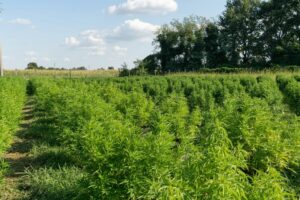
Here’s an overview of the cannabis industry’s top growth trends, popular products, market dynamics, and consumer tips for identifying high-quality cannabis products:
Top Growth Trends in the Cannabis Industry
Emergence of Cannabis Beverages
THC- and CBD-infused beverages are gaining traction as a discreet and convenient consumption method.
Growth fueled by innovation in flavors and microdosing options for social use.
Hemp-Derived Cannabinoids
Increasing popularity of Delta-8 THC, Delta-10 THC, THC-O, and HHC due to their availability in states without full cannabis legalization.
Regulatory scrutiny is reshaping the market for these products.
Medical Marijuana Expansion
Growth in medical cannabis programs across the U.S. and globally.
Increasing focus on products targeting specific health conditions, such as chronic pain, anxiety, and epilepsy.
Sustainability Initiatives
Shift toward eco-friendly growing practices, including water-saving techniques, solar-powered cultivation, and organic certifications.
Consumers and businesses are prioritizing sustainability in production and packaging.
Customizable Experiences
Products tailored to specific effects (e.g., sleep aids, relaxation, energy boosters).
Growth of terpene-forward products designed for enhanced therapeutic or recreational effects.
Luxury and Premium Products
Expansion of high-end, artisanal cannabis products targeting affluent consumers.
Premium branding and enhanced product education play key roles.
Cannabis Tourism
Rise of cannabis-friendly travel destinations, tours, and resorts, particularly in legalized states.
Focus on Minor Cannabinoids
Increased research and product development for rare cannabinoids like CBN, CBG, and THCV.
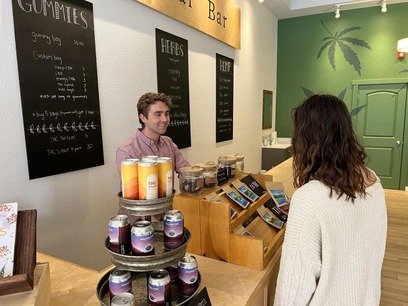
Popular Cannabis Products by Market Share and Demand Trajectory
Flower (Declining Market Share but Steady Demand)
Once the dominant product, flower remains popular among traditional users but faces competition from edibles and concentrates.
Pre-Rolls (Steady Growth)
Convenience and social sharing drive demand.
Vape Cartridges (Rapid Growth)
Favored for their ease of use and discretion.
Market share impacted by safety concerns and regulatory challenges.
Edibles (High Growth Rate)
Gummies, chocolates, and baked goods dominate the category.
Microdosing and fast-acting formulations are trending.
Topicals (Niche Growth)
Popular for localized relief, especially among older consumers.
Concentrates (Significant Growth)
Attracting experienced users seeking higher potency.
Includes shatter, wax, live resin, and rosin.
Capsules and Tablets (Emerging Popularity)
Preferred for precise dosing and medical use.
What Consumers Should Look for in Quality Cannabis Products
Transparency in Testing
Verify third-party lab results (COAs) to ensure potency, cannabinoid content, and absence of contaminants (e.g., pesticides, heavy metals).
Terpene Profiles
Opt for products with detailed terpene information, as they contribute significantly to the flavor, aroma, and effects of the product.
Organic or Sustainable Practices
Look for certifications or brands emphasizing organic farming and sustainability.
Freshness and Storage
Ensure products are properly sealed and stored to preserve potency and quality.
Brand Reputation
Choose reputable brands with a history of positive reviews and consumer trust.
Legal Compliance
Buy only from licensed dispensaries or retailers to ensure compliance with local laws and safety standards.
Packaging Information
Check for clear labeling, including THC/CBD content, dosing instructions, and ingredient lists.
Effect-Specific Products
Select products designed for desired outcomes (e.g., relaxation, focus, pain relief).
Laura’s Mercantile (Mt. Folly): Certificate of Analysis
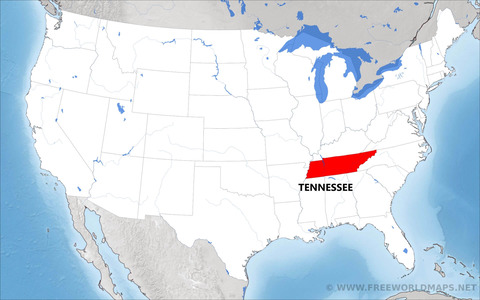
Tennessee
As of January 21, 2025, Tennessee maintains strict regulations regarding cannabis, with both recreational and medical marijuana largely prohibited. Below is an overview of the current laws and regulations:
Recreational Marijuana:
Illegal Status: The possession, sale, and cultivation of marijuana for recreational purposes remain illegal in Tennessee. Possession of less than 0.5 ounces (14.2 grams) is classified as a misdemeanor, punishable by up to one year in jail and fines up to $250. Subsequent offenses may incur higher fines. Possession of more than 0.5 ounces is considered possession with intent to distribute, a felony offense with more severe penalties.
Medical Marijuana:
Limited Medical Use: Tennessee permits the use of low-THC cannabidiol (CBD) oil containing less than 0.9% THC for specific medical conditions, such as intractable epilepsy. However, the state does not provide a legal framework for the cultivation, production, or distribution of such products, requiring patients to obtain them from other states.
Medical Cannabis Commission: In 2021, Tennessee established the Medical Cannabis Commission to study and potentially develop a medical marijuana program. However, the program’s implementation is contingent upon changes in federal and state laws, and as of now, no comprehensive medical marijuana program exists in the state.
Hemp and CBD Products:
Legal Status: Hemp-derived products, including CBD oil with less than 0.3% THC, are legal in Tennessee, aligning with federal regulations established by the 2018 Farm Bill. These products are widely available and can be purchased without a prescription.
Recent Legislative Developments:
Proposed Legislation: In March 2024, the “Free All Cannabis for Tennesseans Act” (House Bill 85) was introduced, aiming to legalize recreational marijuana. The bill was scheduled for consideration in the Criminal Justice Subcommittee on March 12, 2024. However, as of January 2025, no significant legislative changes have been enacted regarding the legalization of recreational or medical marijuana in Tennessee.
Penalties for Marijuana-Related Offenses:
Possession: Simple possession or casual exchange of less than 0.5 ounces is a Class A misdemeanor, punishable by up to one year in jail and fines. Possession of larger amounts may result in felony charges with more severe penalties.
Distribution and Cultivation: Engaging in the sale, distribution, or cultivation of marijuana is illegal and carries significant penalties, including substantial fines and imprisonment. Penalties are more severe for offenses involving larger quantities or distribution near schools.
Tennessee continues to enforce stringent cannabis laws, with limited allowances for low-THC CBD oil for specific medical conditions. Despite ongoing discussions and proposed legislation, no substantial changes have been made to legalize or decriminalize recreational or comprehensive medical marijuana use as of January 2025.
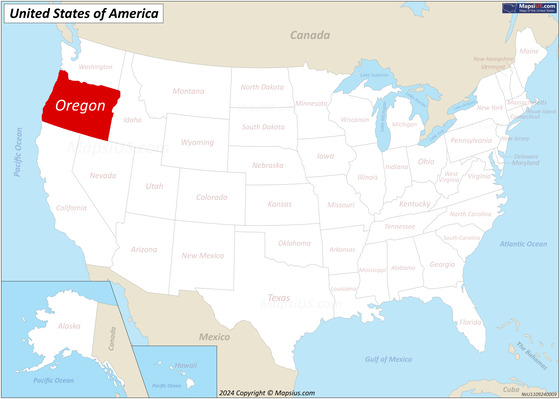
Oregon
As of January 21, 2025, Oregon maintains a comprehensive framework for the regulation of cannabis, encompassing both medical and recreational use. Below is an overview of the current laws and regulations:
Recreational Cannabis:
Legal Status: Adults aged 21 and over are permitted to possess and use recreational cannabis. Individuals may possess up to 8 ounces of usable cannabis in a private residence. Public consumption is prohibited, and usage is restricted to private properties.
Cultivation: Residents are allowed to cultivate up to four cannabis plants per household for personal use. Cultivation must occur out of public view. Exceeding this limit without proper licensing is subject to legal penalties.
Retail Sales: Licensed dispensaries are authorized to sell cannabis products to consumers. Sales are subject to a 17% state tax, with additional local taxes potentially applied. Medical marijuana is exempt from the state tax.
Medical Cannabis:
Eligibility: Patients with qualifying medical conditions can obtain a medical marijuana card, allowing for the purchase of higher quantities and access to medical-grade products. The Oregon Medical Marijuana Program (OMMP) oversees this process.
Possession Limits: Registered patients and caregivers may possess up to 24 ounces of usable cannabis and 5 grams of extracts.
Cultivation: Patients are permitted to cultivate up to six mature plants and 18 immature plants for personal medical use.
Regulatory Oversight:
Oregon Liquor and Cannabis Commission (OLCC): The OLCC regulates the production, processing, and sale of recreational cannabis. It enforces rules to ensure product safety, quality, and compliance with state laws.
Oregon Health Authority (OHA): The OHA administers the OMMP, overseeing medical cannabis regulations and patient registrations.
Local Regulations:
Opt-Out Provisions: Cities and counties have the authority to prohibit the establishment of cannabis businesses within their jurisdictions. This includes dispensaries, processing sites, and cultivation operations.
Recent Legislative Developments:
House Bill 4061 (2022): This legislation aims to deter water use on unlicensed cannabis growing sites, both marijuana and hemp. All provisions of the bill became effective on June 3, 2022.
Consumer Considerations:
Purchasing: Consumers should purchase cannabis products exclusively from licensed dispensaries to ensure product safety and compliance with state regulations.
Consumption: Public consumption of cannabis is prohibited. Consumption is restricted to private properties where the owner permits it.
Transportation: When transporting cannabis, ensure it is securely stored and not accessible to the driver or passengers. Open containers or consumption within a vehicle are prohibited.
Oregon’s cannabis laws are subject to change. It is advisable for consumers and industry participants to stay informed about current regulations to ensure compliance and safe practices.
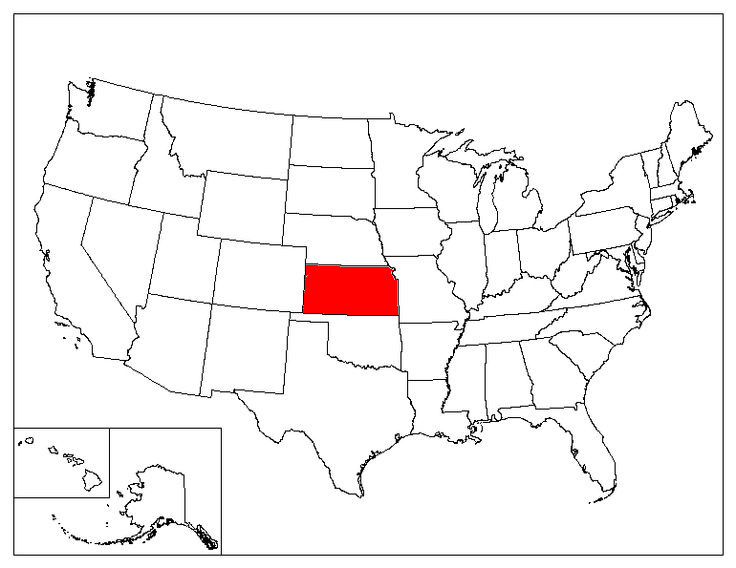
Kansas
As of January 21, 2025, cannabis remains illegal in Kansas for both recreational and medical use. Despite ongoing discussions and legislative efforts, no significant changes have been enacted to legalize or decriminalize cannabis in the state.
Recreational Cannabis:
Legal Status: The possession, sale, and cultivation of cannabis for recreational purposes are prohibited in Kansas. Violations can result in criminal charges, including fines and potential imprisonment.
Medical Cannabis:
Legislative Efforts: In 2023, two bills were introduced to legalize medical cannabis in Kansas:
SB 171: Also known as the Veterans First Medical Cannabis Act, this bill proposed to legalize medical marijuana in the state.
SB 135: This bill aimed to allow patients with qualifying medical conditions to possess and purchase up to a 30-day supply of medical cannabis from licensed dispensaries. It also proposed a 10% tax on medical marijuana and provisions for out-of-state patients to possess medical cannabis in Kansas.
Current Status: As of January 2025, these bills have not been enacted into law. The Kansas House has previously passed medical marijuana legislation, but the Senate has not approved such measures. Lawmakers are expected to consider medical marijuana legislation again in the 2025 session.
Hemp-Derived Products:
Legal Status: Kansas law permits the use of CBD-rich oils containing up to 5% THC for medical purposes. However, this provision does not provide full legalization for medical cannabis.
Penalties for Cannabis-Related Offenses:
Possession: Possession of cannabis is illegal and can result in criminal charges, including fines and potential imprisonment.
Distribution and Cultivation: Engaging in the sale, distribution, or cultivation of cannabis is prohibited and carries significant legal penalties.
Kansas continues to enforce strict cannabis laws, with no significant changes to the legal status of cannabis as of January 2025. While there are ongoing legislative efforts to legalize medical cannabis, no such laws have been enacted. Residents and visitors should be aware of and comply with current state laws regarding cannabis use and possession.
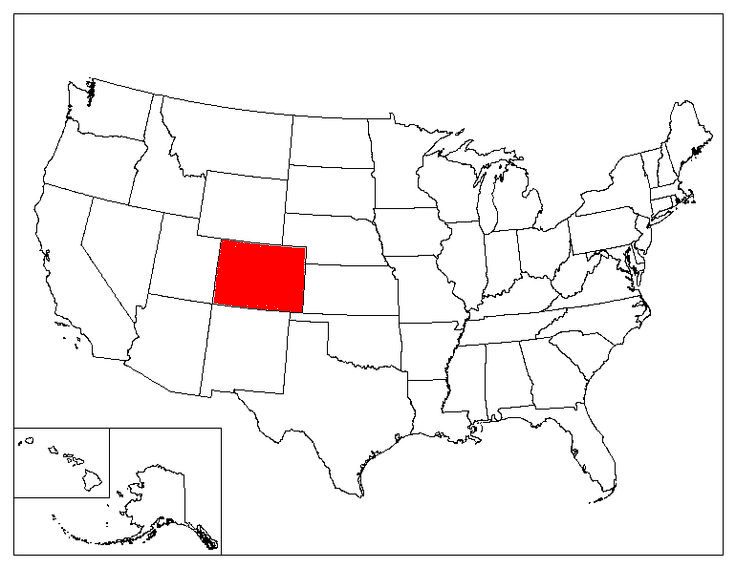
Colorado
As of January 21, 2025, Colorado continues to maintain a comprehensive regulatory framework for the cannabis industry, encompassing both medical and recreational use. Below is an overview of the current laws and regulations:
Recreational Cannabis:
Legal Status: Adults aged 21 and over are permitted to possess and use recreational cannabis. Individuals may possess up to 8 ounces of usable cannabis in a private residence. Public consumption is prohibited, and usage is restricted to private properties.
Cultivation: Residents are allowed to cultivate up to six cannabis plants per person, with a maximum of 12 plants per household, for personal use. Cultivation must occur out of public view. Exceeding this limit without proper licensing is subject to legal penalties.
Retail Sales: Licensed dispensaries are authorized to sell cannabis products to consumers. Sales are subject to a 15% state excise tax, in addition to standard sales tax. Local jurisdictions may impose additional taxes.
Medical Cannabis:
Eligibility: Patients with qualifying medical conditions can obtain a medical marijuana card, allowing for the purchase of higher quantities and access to medical-grade products. The Colorado Department of Public Health and Environment (CDPHE) oversees this process.
Possession Limits: Registered patients and caregivers may possess up to 2 ounces of usable cannabis and 8 grams of concentrates.
Cultivation: Patients are permitted to cultivate up to six mature plants and 12 immature plants for personal medical use.
Regulatory Oversight:
Colorado Department of Revenue (CDOR): The CDOR regulates the production, processing, and sale of recreational cannabis. It enforces rules to ensure product safety, quality, and compliance with state laws.
CDPHE: The CDPHE administers the Medical Marijuana Registry, overseeing medical cannabis regulations and patient registrations.
Recent Legislative Developments:
Senate Bill 24-076 (2024): This legislation extends the initial and renewal license periods from one to two years for all regulated marijuana business licenses and licenses granted to controlling beneficial owners, as well as medical and retail delivery permits.
Senate Bill 23-271 (2023): This act prohibits the manufacturing, selling, or delivering of products containing intoxicating cannabinoids in excess of limits established by rule. It also imposes restrictions on the sale of hemp products containing THC to individuals under 21 years of age.
Local Regulations:
Opt-Out Provisions: Cities and counties have the authority to prohibit the establishment of cannabis businesses within their jurisdictions. This includes dispensaries, processing sites, and cultivation operations.
Buffer Zones: Local governments may implement buffer zones between cannabis businesses and sensitive areas such as schools, daycares, and treatment facilities. For example, Colorado Springs City Council recently changed the buffer zone from a one-mile to a 1,000-foot radius.
Consumer Considerations:
Purchasing: Consumers should purchase cannabis products exclusively from licensed dispensaries to ensure product safety and compliance with state regulations.
Consumption: Public consumption of cannabis is prohibited. Consumption is restricted to private properties where the owner permits it.
Transportation: When transporting cannabis, ensure it is securely stored and not accessible to the driver or passengers. Open containers or consumption within a vehicle are prohibited.Colorado’s cannabis laws are subject to change. It is advisable for consumers and industry participants to stay informed about current regulations to ensure compliance and safe practices.
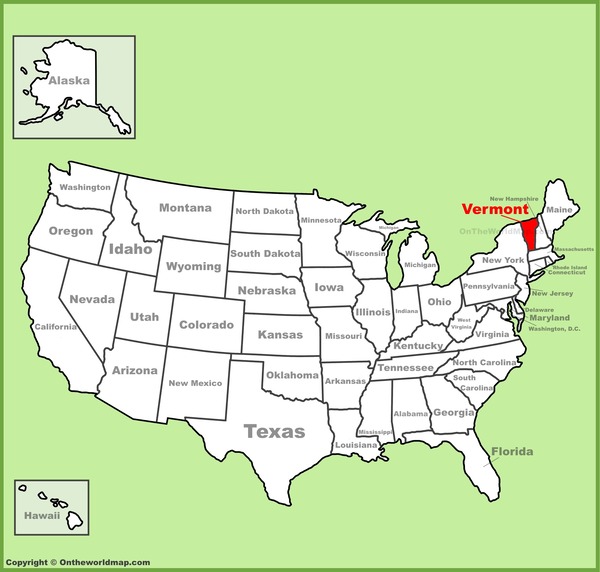
Vermont
As of January 21, 2025, Vermont has established a comprehensive framework for the cannabis industry, encompassing both medical and recreational use. Below is an overview of the current laws and regulations:
Recreational Cannabis:
Legal Status: Adults aged 21 and over are permitted to possess and use recreational cannabis. Individuals may possess up to one ounce of cannabis and five grams of hashish. Cultivation is allowed, with a limit of two mature and four immature plants per person.
Retail Sales: Licensed dispensaries are authorized to sell cannabis products to consumers. Sales are subject to a 14% state excise tax, in addition to standard sales tax. Local jurisdictions may impose additional taxes.
Medical Cannabis:
Eligibility: Patients with qualifying medical conditions can obtain a medical marijuana card, allowing for the purchase of higher quantities and access to medical-grade products. The Vermont Cannabis Control Board (CCB) oversees this process.
Possession Limits: Registered patients and caregivers may possess up to two ounces of usable cannabis and eight grams of concentrates.
Cultivation: Patients are permitted to cultivate up to six mature plants and 12 immature plants for personal medical use.
Regulatory Oversight:
Vermont Cannabis Control Board (CCB): The CCB regulates the production, processing, and sale of cannabis products. It enforces rules to ensure product safety, quality, and compliance with state laws.
Recent Legislative Developments:
Act 166 (2024): This act includes amendments to the Cannabis Control Board’s governing statutes, further refining the regulatory framework for cannabis in Vermont.
Local Regulations:
Opt-Out Provisions: Cities and counties have the authority to prohibit the establishment of cannabis businesses within their jurisdictions. This includes dispensaries, processing sites, and cultivation operations.
Buffer Zones: Local governments may implement buffer zones between cannabis businesses and sensitive areas such as schools, daycares, and treatment facilities.
Consumer Considerations:
Purchasing: Consumers should purchase cannabis products exclusively from licensed dispensaries to ensure product safety and compliance with state regulations.
Consumption: Public consumption of cannabis is prohibited. Consumption is restricted to private properties where the owner permits it.
Transportation: When transporting cannabis, ensure it is securely stored and not accessible to the driver or passengers. Open containers or consumption within a vehicle are prohibited.
Vermont’s cannabis laws are subject to change. It is advisable for consumers and industry participants to stay informed about current regulations to ensure compliance and safe practices.
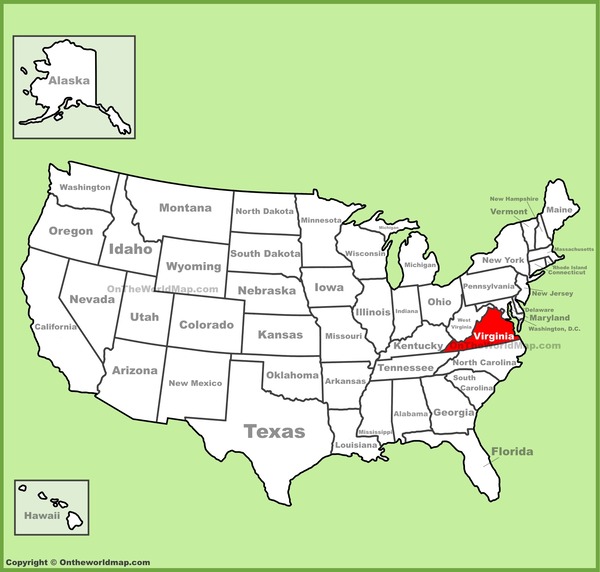
Virginia
As of January 21, 2025, Virginia’s cannabis laws and regulations encompass both medical and recreational use, with specific guidelines for possession, cultivation, and sales.
Medical Cannabis:
Patients in Virginia can purchase medical marijuana immediately upon receiving a certificate from a registered medical provider. Previously, patients were required to register with the State Board of Pharmacy before making such purchases, but this requirement was removed to reduce wait times.
Recreational Cannabis:
Possession: Adults aged 21 and over are legally permitted to possess up to one ounce of marijuana. Possession of more than one ounce but less than one pound in public is a Class 3 misdemeanor for a first offense and a Class 2 misdemeanor for subsequent offenses. Possession of more than one pound remains a felony.
Cultivation: Individuals are allowed to cultivate up to four cannabis plants per household for personal use.
Sales: As of January 2025, the commercial sale of recreational cannabis remains illegal in Virginia. Legislation to permit commercial sales was passed by the House and Senate in early 2024, proposing a start date of May 1, 2025, with a tax rate of 11.625%. However, Governor Glenn Youngkin vetoed the bill on March 28, 2024, stating it “endangers Virginians’ health and safety.”
Regulatory Measures:
THC Limits: In 2023, Governor Youngkin signed a bill banning the sale of products containing more than 0.2 milligrams of THC or 0.3% total THC. An exception exists for products with a 25:1 ratio of CBD to THC to preserve access to certain medical products.
Product Restrictions: The sale of THC edible products shaped like animals, humans, vehicles, or fruits is prohibited to prevent accidental consumption by children.
It’s important to note that while possession and personal cultivation are legal, the absence of a regulated commercial market means that purchasing recreational cannabis remains unlawful. Individuals should stay informed about potential legislative changes, as the legal landscape continues to evolve.
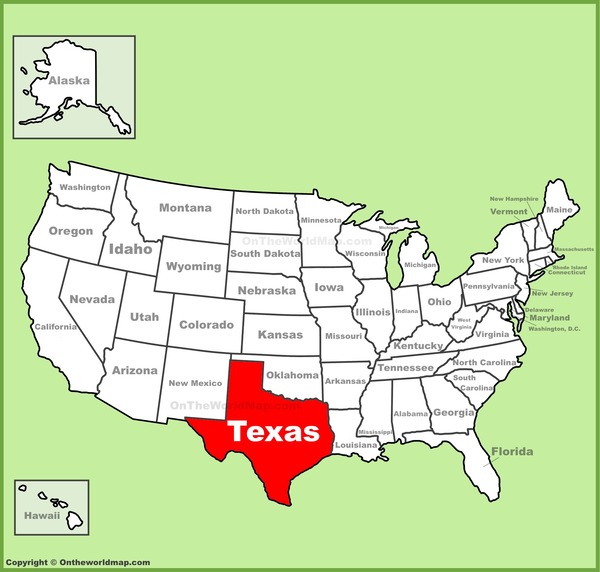
Texas
As of January 21, 2025, the legal landscape for cannabis in Dallas, Texas, is shaped by both state and local regulations.
State Laws:
Recreational Use: Cannabis remains illegal for recreational use across Texas. Possession of any amount is a criminal offense, with penalties varying based on the quantity. For instance, possession of up to two ounces is classified as a Class B misdemeanor, punishable by up to 180 days in jail and a fine of up to $2,000.
Medical Use: Texas has a limited medical marijuana program under the Compassionate Use Act, allowing patients with specific conditions to access low-THC cannabis products. Qualifying conditions include epilepsy, multiple sclerosis, and terminal cancer, among others. The program permits products containing no more than 0.5% THC.
Local Developments in Dallas:
Decriminalization Efforts: In November 2024, Dallas voters approved Proposition R, known as the “Dallas Freedom Act,” with nearly 67% support. This measure aims to decriminalize the possession of up to four ounces of marijuana within city limits, prohibiting police from arresting or citing individuals for such offenses, except in cases involving felony investigations related to violence or narcotics.
State Legal Challenges: Despite local decriminalization efforts, the Texas Attorney General filed a lawsuit against the City of Dallas, asserting that Proposition R conflicts with state law, which continues to criminalize marijuana possession. Similar legal actions have been taken against other Texas cities that enacted decriminalization measures.
Hemp and CBD Products:
Following the 2018 Farm Bill, Texas legalized hemp and hemp-derived products containing less than 0.3% THC. This has led to the widespread availability of CBD products across the state. However, the legal status of certain hemp-derived cannabinoids, such as delta-8 THC, has been subject to debate and legal scrutiny.
Implications for the Cannabis Industry:
Given the current legal framework, the commercial cultivation, processing, and sale of recreational cannabis remain illegal in Dallas and throughout Texas. Businesses involved in hemp and low-THC medical cannabis must adhere to stringent state regulations. The ongoing legal disputes between state authorities and municipalities like Dallas highlight the complexities and uncertainties facing the cannabis industry in the region.
Individuals and businesses should stay informed about both state and local laws, as well as pending legal challenges, to ensure compliance and understand the evolving legal environment surrounding cannabis in Dallas, Texas.

New York State
As of January 21, 2025, New York State has established a comprehensive legal framework for both medical and recreational cannabis use, guided by the Marihuana Regulation and Taxation Act (MRTA) enacted on March 31, 2021.
Adult-Use (Recreational) Cannabis:
Possession: Adults aged 21 and over may legally possess up to 3 ounces of cannabis flower or 24 grams of concentrated cannabis.
Consumption: Cannabis consumption is permitted in most areas where tobacco smoking is allowed. However, smoking or vaping cannabis is prohibited in locations where tobacco smoking is banned, such as indoor public spaces, workplaces, and certain outdoor areas.
Cultivation: Individuals are allowed to cultivate up to three mature and three immature cannabis plants per person, with a maximum of twelve plants per household. This provision became effective once regulations were finalized.
Medical Cannabis:
New York’s medical cannabis program has been expanded to include a broader range of qualifying conditions. Patients certified by a registered healthcare provider are automatically enrolled in the program and can use their certification, along with a government-issued ID, to purchase medical cannabis at registered dispensaries.
Cannabis Industry Regulations:
Licensing: The New York State Office of Cannabis Management (OCM) is responsible for issuing licenses for the cultivation, processing, distribution, and sale of cannabis. Only businesses licensed by the OCM are authorized to operate legally within the state.
Retail Expansion: As of January 2025, the number of licensed cannabis dispensaries in New York is projected to increase to over 625, up from 275 in the previous year. This expansion aims to bolster the legal market and generate significant revenue, with sales in 2025 expected to surpass $1.5 billion.
Enforcement and Challenges:
Despite the growth of the legal market, unlicensed cannabis sales remain a challenge. Efforts to curb the illicit market include increased enforcement and the closure of illegal shops. However, regulatory uncertainties and competition from unlicensed vendors continue to impact the industry’s development.
For the most current information and updates on New York’s cannabis laws and regulations, individuals and businesses are encouraged to consult the New York State Office of Cannabis Management’s official website.

Illinois
As of January 21, 2025, Chicago, Illinois, operates under both state and local regulations concerning cannabis use, possession, and the cannabis industry.
State Regulations:
Legalization: Illinois legalized recreational cannabis effective January 1, 2020, becoming the eleventh U.S. state to do so. This legalization was enacted through the Illinois Cannabis Regulation and Tax Act of 2019.
Possession Limits: Adults aged 21 and over are permitted to possess up to 30 grams of cannabis flower, 5 grams of cannabis concentrate, and cannabis-infused products containing up to 500 milligrams of THC.
Medical Cannabis: The Illinois Medical Cannabis Patient Program (MCPP), established in 2014, has enrolled over 172,000 qualifying patients across 110 dispensaries, offering medical cannabis at a lower tax rate compared to recreational transactions.
Local Regulations in Chicago:
Consumption: Public consumption of cannabis is prohibited in Chicago. Use is permitted in private residences and certain licensed establishments.
Zoning and Licensing: Chicago has established specific zoning regulations for cannabis businesses, dictating where dispensaries and cultivation centers can operate. Businesses must obtain both state and local licenses to operate legally within the city.
Taxation:
State Excise Tax: Illinois imposes a state excise tax on recreational cannabis, with rates varying based on the THC content and product type. For example, cannabis with a THC level at or below 35% is taxed at 10%, while products exceeding 35% THC are taxed at 25%. Cannabis-infused products are taxed at 20%.
Local Taxes: In addition to state taxes, local municipalities, including Chicago, may impose additional taxes on cannabis sales. These local taxes contribute to the overall cost of cannabis products within the city.
Legal Developments:
Search and Seizure: In September 2024, the Illinois Supreme Court ruled that the odor of burnt cannabis alone does not constitute probable cause for vehicle searches without a warrant. This decision reflects the evolving legal landscape surrounding cannabis use and individual rights.
Hemp-Derived Products: In January 2025, Illinois Governor JB Pritzker criticized Chicago Mayor Brandon Johnson’s administration for its lack of communication regarding hemp legislation. The proposed bill aimed to regulate the sale of hemp-derived substances, such as delta-8 and delta-10 THC, to prevent minors from accessing unregulated products. The bill’s defeat highlighted tensions between state and local officials on cannabis-related issues.
Residents and businesses in Chicago should remain informed about both state and local cannabis regulations, as policies continue to evolve. Compliance with possession limits, consumption restrictions, and licensing requirements is essential to operate within the legal framework.
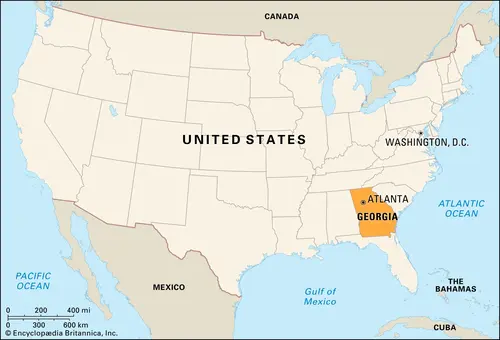
Georgia
As of January 21, 2025, the legal framework for cannabis in Atlanta, Georgia, is governed by both state and local regulations.
State Laws:
Recreational Use: Cannabis remains illegal for recreational use throughout Georgia. Possession of any amount is a criminal offense, with penalties varying based on the quantity. For instance, possession of more than 1 ounce is classified as a felony.
Medical Use: Georgia permits registered patients to possess and use up to 20 ounces of low-THC oil derived from marijuana, containing less than 5% THC. Patients and caregivers must present their low-THC oil cards to law enforcement if found with such products. Additionally, medical marijuana patients from other states are allowed to use low-THC oil in Georgia, provided they have their medical marijuana identification cards and the oil contains less than 5% THC and at least an equal amount of CBD.
Local Regulations in Atlanta:
Decriminalization: In October 2017, the Atlanta City Council voted to decriminalize the possession of up to 1 ounce of marijuana, reducing the penalty to a $75 fine. It’s important to note that decriminalization does not equate to legalization; rather, it reduces the severity of penalties for certain offenses.
Hemp and CBD Products:
State Legislation: In April 2024, Georgia Governor Brian Kemp signed Senate Bill 494 into law, enacting new regulations for the state’s hemp industry. Effective October 1, 2024, the law prohibits the sale of hemp food products, such as baked goods or snacks, and restricts the purchase of hemp products to individuals aged 21 and over. Unlawful possession by those under 21 can result in a misdemeanor and up to a $500 fine. The legislation also aligns Georgia’s legal code with federal law, effectively banning most THC-A products.
Legislative Developments:
Proposed Reforms: In October 2023, State Representative Eric Bell announced plans to introduce a bill aimed at reforming Georgia’s cannabis laws, focusing on restorative justice and decriminalization. However, as of January 2025, no significant legislative changes have been enacted at the state level regarding the legalization or broader decriminalization of cannabis.
Residents and visitors in Atlanta should remain informed about both state and local cannabis regulations, as policies continue to evolve. While Atlanta has decriminalized small amounts of marijuana, state laws still prohibit recreational use, and enforcement may vary. Compliance with possession limits and awareness of the legal status of various cannabis-derived products are essential to avoid legal repercussions.
The cannabis industry continues to evolve rapidly, with innovation driving product diversification and consumer demand. Staying informed about trends and quality indicators ensures a positive and safe experience for consumers.
Stay tuned for more from the Mt. Folly Business Journal, where the goal is to Educate and Inform those seeking updates in the Cannabis, Liquor, and Livestock Industry revolving around our overarching focus on Regenerative Agriculture.